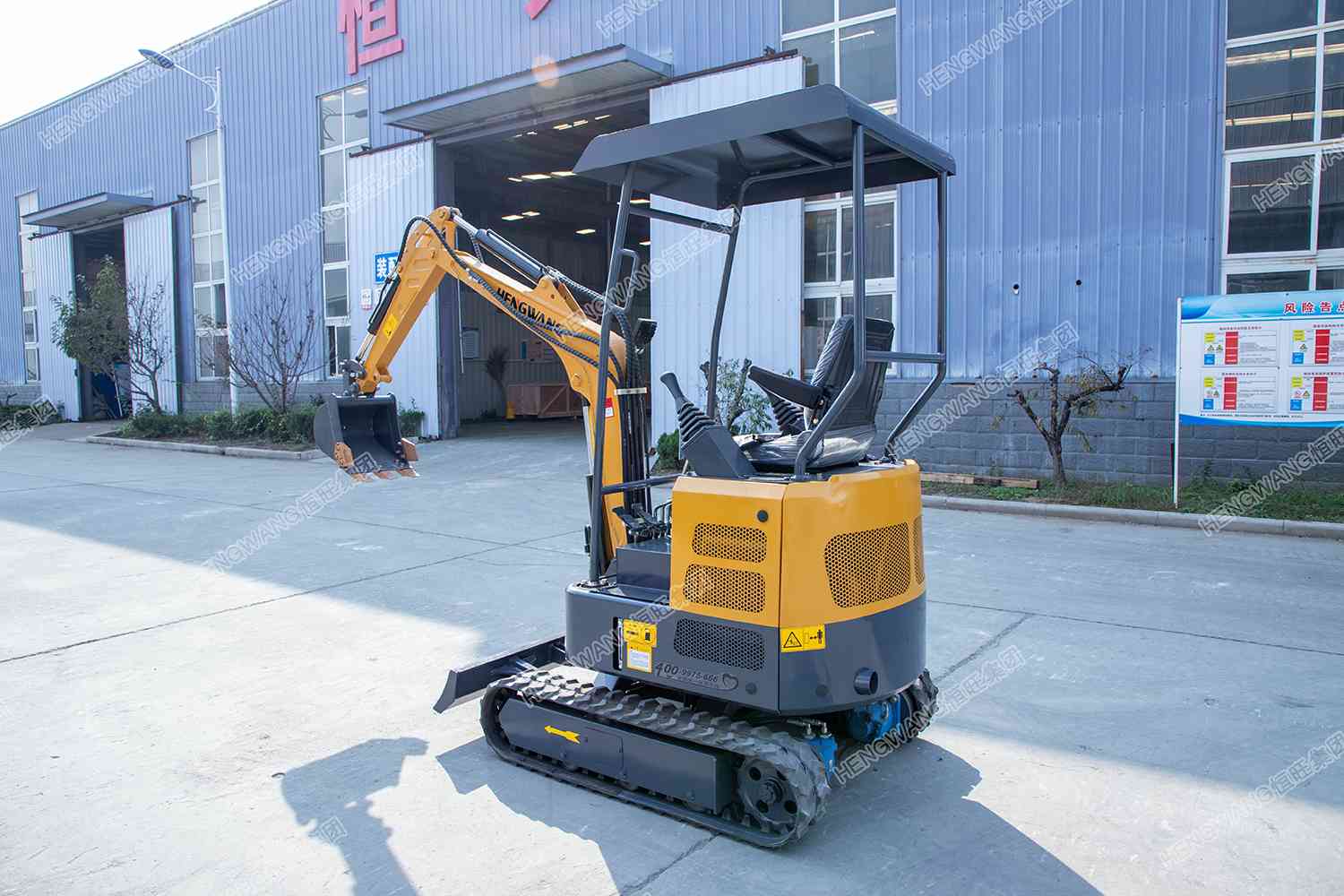
Water contamination in a small excavator's engine oil, if untreated, can cause severe damage like crankshaft deformation, connecting rod fracture, or even complete engine failure. Below are five core causes of oil water ingress, analyzed by mechanical structure and failure mechanisms, to help quickly identify issues:
1. Oil Cooler Failure: Seal Breakdown Leading to Fluid Intermixing
Cracks in the oil cooler tubes or aged interface seals allow coolant to leak into the oil circuit. This fault typically manifests as emulsified oil (milky white appearance) and abnormal coolant level drops. Regularly inspect cooler tightness using air pressure testing (0.3MPa for 10 minutes); replace the core immediately if leaks are detected.
2. Engine Water Plug Corrosion: Scale Erosion Causing Leakage
Cast iron water plugs in the engine may perforate due to prolonged coolant corrosion or scale buildup. Coolant seeps into the oil pan through damaged plugs, common in excavators using hard water or unmaintained coolant. Replace water plugs every 2 years and use antifreeze with rust protection (freezing point ≤-30℃).
3. Cylinder Liner Seal Failure: Inadequate Compression Leading to Water Intrusion
Worn or improperly installed O-ring seals on the cylinder liner lose sealing performance. High-pressure coolant penetrates the oil circuit through gaps between the liner and engine block, accompanied by rising oil levels and radiator bubbling. During repairs, reapply sealant and torque liner bolts to standard (10-15N·m).
4. Cylinder Head Gasket Damage: High-Temperature Erosion Compromising Separation
A compromised cylinder head gasket fails to separate the water jacket from oil galleries, allowing coolant to mix with oil. Typical symptoms include excessive coolant loss, oil emulsification, and white vapor from the exhaust. Disassemble the cylinder head to check gasket indentation; ensure cylinder block flatness error <0.05mm when replacing.
5. Cylinder Liner Crack: Freeze Expansion or Impact-Induced Damage
Liner cracks often result from winter coolant freezing (without antifreeze) or piston detonation shock. Coolant enters the cylinder through cracks, then reaches the oil pan via piston rings, causing whitened oil and reduced engine power. Prevent by using antifreeze in winter and avoiding prolonged overloading.
Troubleshooting Golden Rules:
Promptly addressing oil water ingress in excavators prevents chain damage from component corrosion and lubrication failure. Maintain an equipment maintenance log recording coolant replacement cycles and cooler inspection data to reduce failure risks by 70%+.